
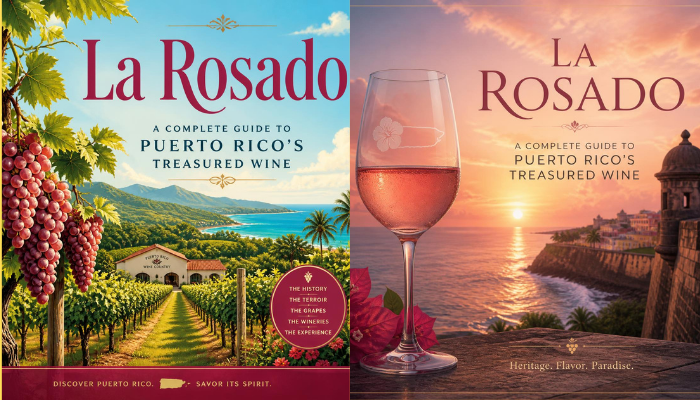

When you hear “la rosado,” you’re diving into one of the most charming aspects of Hispanic wine culture. The term simply refers to rosé wine, but it carries so much more significance than just a pink-hued beverage. In Spanish-speaking countries, particularly Puerto Rico and other Caribbean islands, la rosado represents a lifestyle, a social tradition, and a connection to Mediterranean heritage that feels entirely authentic to tropical island living.
The beauty of rosé wine lies in its versatility. It exists somewhere between the boldness of red wine and the crispness of white wine, making it the perfect companion for warm weather gatherings. Puerto Rico has embraced this wine category with enthusiasm, creating a unique market where both imported varieties and local productions thrive side by side.
The Rich History of Rosé Wine Culture in Puerto Rico
Puerto Rico’s relationship with wine is deeply connected to its colonial past and European influences. Spanish settlers brought their winemaking traditions to the island, and while the tropical climate made traditional grape cultivation challenging, the appreciation for fine wines never disappeared. La rosado became particularly popular during the mid-twentieth century when international trade opened doors to quality imports from Spain, France, and other wine-producing regions.
The cultural significance of la rosado extended beyond mere consumption. It became a symbol of refinement and celebration. Family gatherings, particularly during holidays and special occasions, often featured bottles of rosé wine. The drink represented both tradition and modernity, connecting islanders to their European roots while fitting perfectly into the Caribbean lifestyle.
Today, Puerto Rico’s wine market has evolved significantly. While rosé remains a beloved choice, the island has developed its own appreciation for wine education and tasting culture. Specialty wine shops, restaurants with curated wine lists, and wine enthusiasts continue to champion la rosado as a versatile and sophisticated choice.
Characteristics That Make La Rosado Stand Out
What distinguishes a truly excellent rosé wine from an average one comes down to several key factors. The color, which can range from pale salmon to deeper pink hues, indicates the grape variety and production method used. This visual element alone makes la rosado instantly recognizable and appealing.
The flavor profile of quality rosé wine typically includes fruity notes like strawberry, raspberry, and watermelon, often with subtle floral undertones. The acidity level remains crisp, making it incredibly refreshing, especially in Puerto Rico’s warm climate. Many rosés also feature subtle mineral notes that add complexity and sophistication to the overall tasting experience.
Production methods significantly influence the final product. The skin contact time during fermentation determines the color intensity and flavor characteristics. Shorter skin contact creates lighter, more delicate wines, while longer contact produces deeper colors and slightly more robust flavors. This technical aspect demonstrates that rosé winemaking is both an art and a science.
Temperature also plays a crucial role in how la rosado tastes and feels. Proper chilling enhances its refreshing qualities and brings out the best in its fruity characteristics. Most rosé wines are best enjoyed between forty-five and fifty degrees Fahrenheit, which is slightly warmer than white wine but considerably cooler than red wine.
Pairing La Rosado with Caribbean Cuisine
One of the most delightful aspects of enjoying la rosado in Puerto Rico involves discovering perfect food pairings. The island’s cuisine offers numerous opportunities to complement rosé wine beautifully. Mofongo, a beloved Puerto Rican dish made from fried plantains, pairs wonderfully with the wine’s crisp acidity and fruity notes.
Seafood dishes, which feature prominently in Puerto Rican cooking, find an ideal match in rosé wine. Whether you’re enjoying ceviche, grilled fish, or shrimp dishes, la rosado enhances these flavors rather than overwhelming them. The wine’s lighter body makes it versatile enough to accompany both delicate fish preparations and richer seafood options.
Tropical fruits commonly found in Puerto Rico also pair naturally with rosé wine. The wine’s fruity profile echoes the island’s abundant fruits, creating a harmonious dining experience. Consider enjoying la rosado alongside fresh fruit salads, tropical appetizers, or even light desserts made with local ingredients.
Picnic culture in Puerto Rico has embraced la rosado wholeheartedly. The wine’s refreshing nature makes it perfect for outdoor gatherings at beaches and countryside settings. Many Puerto Ricans pack bottles of chilled rosé for day trips, recognizing that the drink suits the island’s relaxed, social atmosphere.
Selecting the Right Bottle for Your Preferences
Choosing la rosado can feel overwhelming given the countless options available in Puerto Rico’s wine markets. Understanding your personal preferences makes the selection process much simpler. Do you prefer light, delicate wines, or do you enjoy slightly more robust flavors? This preference will guide you toward specific regions and styles.
French rosés from Provence are often considered the gold standard. These wines tend to be dry, with subtle fruit flavors and excellent acidity. They represent classic rosé style and serve as a wonderful introduction to the category. Puerto Rico’s wine shops typically stock several Provence options, making them relatively easy to find.
Spanish rosados offer different characteristics compared to their French counterparts. These wines often feature more pronounced fruit flavors and slightly higher alcohol content. They tend to be slightly fuller-bodied, which some wine drinkers prefer, particularly when enjoying them with heartier food options.
Italian rosatos provide yet another flavor profile to explore. These wines often express elegant fruit characteristics and mineral notes that reflect their terroir. Trying wines from different regions helps you discover which styles truly resonate with your palate.
Budget considerations naturally factor into wine selection. Quality rosé wines exist at various price points. You don’t need to spend excessively to find an excellent bottle. Many reasonably priced options deliver impressive quality and taste. Experimenting with different price ranges helps you find the sweet spot where value and enjoyment intersect perfectly.
Building Your Home Wine Collection with La Rosado
Creating a home wine collection doesn’t require expertise or significant financial investment. Starting with la rosado offers a perfect entry point into wine collecting. The category’s versatility means your collection can adapt to various occasions and preferences.
Begin by purchasing small quantities of different rosés from various regions and producers. This approach allows you to taste widely and identify which styles you genuinely enjoy. Keep simple notes about each wine, including where you purchased it, its price, tasting notes, and your overall impression. This documentation helps you make informed future purchases.
Storage matters significantly for maintaining wine quality. While rosé wine is typically meant for consumption relatively soon after purchase, proper storage still enhances your experience. Keep bottles in a cool, dark place, ideally at a consistent temperature. A wine refrigerator represents a worthwhile investment if you plan to build a more substantial collection.
Understanding when to drink your rosés ensures you enjoy them at peak quality. Most rosé wines are best consumed within one to two years of their vintage date. This relatively short window makes rosé an excellent choice for regular enjoyment rather than long-term cellaring. The wine’s crisp, fresh characteristics diminish over extended aging.
The Social Aspect of Enjoying La Rosado in Puerto Rico
Wine consumption in Puerto Rican culture emphasizes community and connection. La rosado serves as a social lubricant that brings people together for celebrations, casual gatherings, and memorable meals. The wine’s approachable nature makes it perfect for social situations where not everyone identifies as a serious wine enthusiast.
Wine tastings have become increasingly popular throughout Puerto Rico. Local wine shops and restaurants frequently organize tasting events where participants can sample different rosés and learn from knowledgeable guides. These gatherings create opportunities for wine education in a relaxed, enjoyable atmosphere.
Sharing a bottle of la rosado during sunset gatherings has become an iconic Puerto Rican experience. The combination of tropical breezes, beautiful views, and excellent wine creates moments that residents and visitors treasure. This ritual reflects the island’s emphasis on savoring life’s simple pleasures.
Gift-giving traditions often include bottles of quality rosé wine. Whether for holidays, birthdays, or special occasions, presenting someone with a carefully selected bottle of la rosado demonstrates thoughtfulness and appreciation. Many people consider rosé wine one of the most appropriate gifts for diverse preferences.
The Future of Rosé Wine in Puerto Rico
As Puerto Rico’s wine culture continues evolving, la rosado maintains its prominent position. Local producers have begun experimenting with their own rosé productions, bringing Caribbean creativity to this classic wine category. These locally produced rosés reflect the island’s unique terroir and innovation spirit.
Wine education initiatives throughout Puerto Rico are fostering deeper appreciation for quality rosés. Sommeliers, educators, and enthusiasts work together to elevate wine knowledge among the general population. This growing sophistication means consumers make more informed choices and develop greater appreciation for what makes certain rosés exceptional.
Sustainability considerations are gaining importance in wine production. Puerto Rican wine enthusiasts increasingly seek out producers who employ environmentally responsible practices. This trend toward sustainable viticulture ensures that future generations can continue enjoying excellent wines while maintaining the island’s natural beauty.
Tourism connected to wine appreciation represents a growing sector of Puerto Rico’s economy. Visitors come specifically to explore the island’s wine culture, participate in tastings, and discover local producers. This interest supports local businesses and creates exciting opportunities for wine-related enterprises throughout Puerto Rico.
Experiencing La Rosado Like a True Puerto Rican
To fully appreciate la rosado as Puerto Ricans do, embrace the wine’s refreshing qualities and its role in social gatherings. Don’t approach rosé with unnecessary formality or pretension. Instead, enjoy it as a delightful beverage that enhances meals, sparks conversation, and creates memorable experiences.
Explore the island’s wine shops and discover the diverse selection of rosés available. Talk with knowledgeable staff who can offer recommendations based on your preferences. Allow yourself to experiment with different bottles and producers, recognizing that wine appreciation is a personal journey without right or wrong answers.
Most importantly, remember that la rosado represents more than just wine. It symbolizes Puerto Rico’s connection to Mediterranean traditions, the island’s vibrant social culture, and its commitment to enjoying life fully. When you raise a glass of chilled rosé wine while surrounded by Caribbean beauty and good company, you’re participating in a cherished island tradition that spans generations. This understanding transforms a simple glass of wine into something far more meaningful and authentic.
See also: Byroglyphics: Ancient Wisdom Meets Modern Expression